Pakistan professionals
Psychologists in New Zealand: which scope your training can actually carry
The Psychologists Board's scopes and overseas assessment explained honestly for Pakistan-trained psychologists planning New Zealand registration.
- Premium advisory positioning
- Structured documentation readiness
- Clear next-step guidance
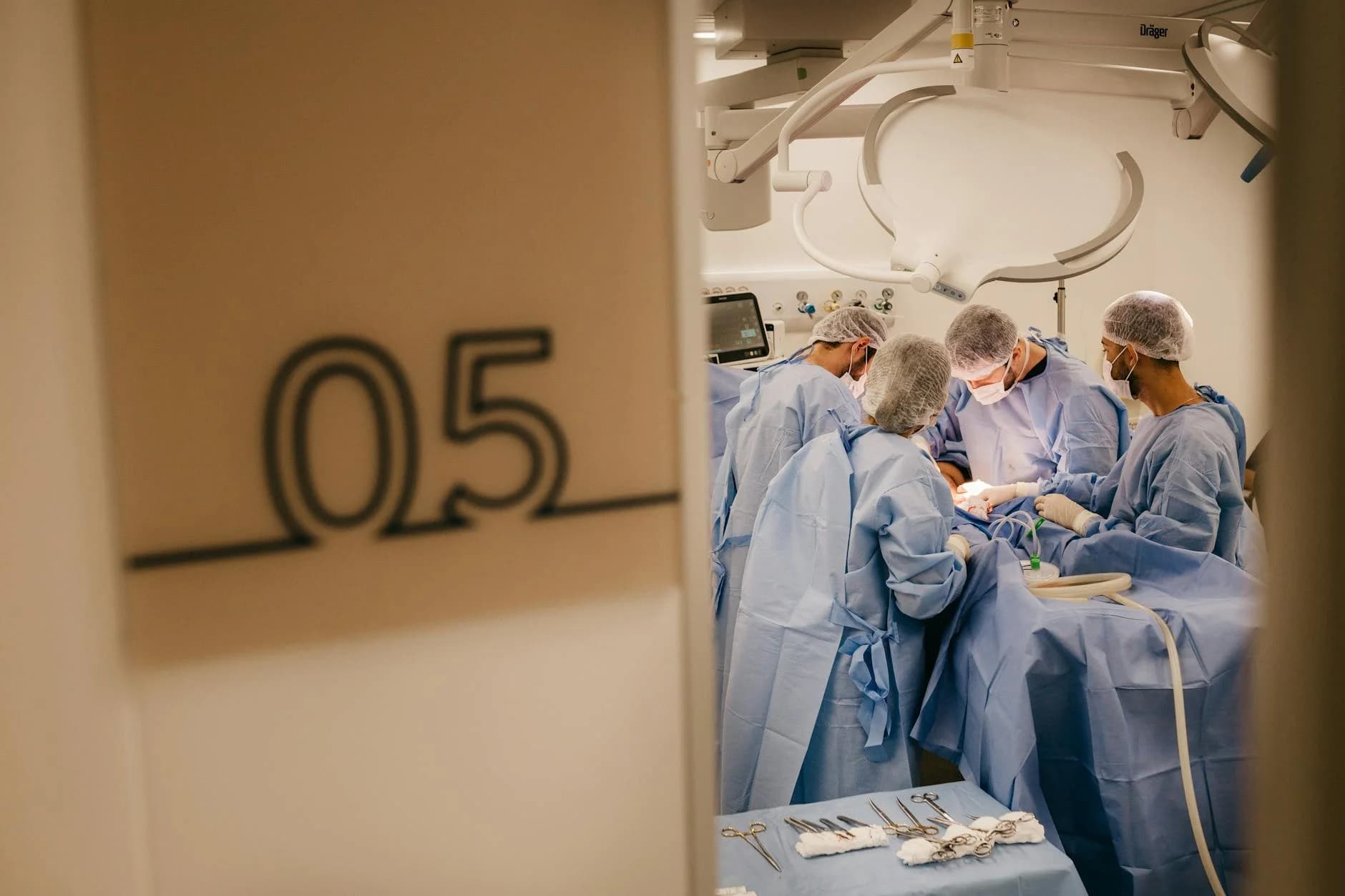
The New Zealand Psychologists Board registers overseas-trained psychologists through individual assessment of their qualifications and supervised practice against New Zealand's accredited programme standards, and it registers them into specific scopes of practice. The scope question decides everything: the general Psychologist scope and the Clinical Psychologist scope carry different training expectations, and a Pakistani MPhil or MS in clinical psychology does not automatically map to the clinical scope its name suggests. Your first honest task is establishing which scope your qualifications and supervised hours can actually carry, because your role, your title and your migration position all follow from that answer.
The hardest conversation in this batch, had gently
Psychology is where the gap between a Pakistani qualification title and a New Zealand scope is widest, and we would rather you hear it from a page that wants your outcome to be good than from a declined application. In New Zealand, the clinical psychologist title sits behind a protected scope built on accredited postgraduate programmes with structured, supervised clinical training of a specific depth. A Pakistani MS or MPhil in clinical psychology, even from a strong department, is assessed against that standard, and the supervised practice component is where files most often fall short. This does not mean your training is without value here. It means the value has to be mapped honestly onto the scopes that exist, not onto the title you hold at home.
How the Board assesses an overseas-trained psychologist
The Psychologists Board evaluates your qualifications and experience individually against the standard of New Zealand's accredited programmes: the academic depth of your degrees, the structure and hours of your supervised practice, the assessment and intervention work you have actually done, and your professional standing. Registration lands in a defined scope, and the Board may set conditions, including periods of supervised practice in New Zealand, as part of the path. Two facts follow for your planning. First, documentation of supervision is not an accessory in this profession, it is the spine of the file. Second, an outcome that includes supervised practice is not a rejection, it is a route, and applicants who arrive expecting it plan better than those who discover it.
Your supervision records are the file
Start here, practically. Who supervised your clinical work, with what qualifications, for how many hours, across what kinds of cases, and can any of it be evidenced in writing? University clinic logs, internship records from psychiatry departments, supervisor letters that name methods and case types: this is the material a scope assessment is actually built from. Pakistani training often includes substantial supervised work that was never documented to international standards, and the difference between recoverable and unrecoverable records is usually just time. Reconstruct the record now, while your supervisors are reachable and remember you.
The rest of the file, honestly assembled
Around the supervision spine sits the rest: degrees and transcripts showing your actual coursework, a practice history that names settings and populations, evidence of standing with any regulator or professional body you have held, and English evidence where required. Be precise about what you did. Psychometric assessment, structured therapy under supervision and independent practice are three different claims, and an assessor can tell when a file blurs them. In a profession built on professional judgement, the honesty of your own file is itself evidence of fitness.
Migration planning that respects the scope question
Clinical psychologist is currently a Green List Tier 1 occupation in New Zealand, the Straight to Residence pathway, so the residence conversation is real, but every migration calculation you run before the scope question is answered is provisional, because the Green List's own conditions run through New Zealand registration in the relevant scope. Check your current position with the Green List Checker and run the Skilled Migrant Category comparison to understand the landscape, then treat an honest scope assessment conversation as the decision gate for household plans. For some Pakistani psychologists the truthful route includes further study or supervised practice in New Zealand, and knowing that early converts it from a disappointment into a plan.
What not to assume
- Do not assume your clinical psychology title maps to the Clinical Psychologist scope. Scopes are assessed, not translated.
- Do not assume undocumented supervision counts. In this profession, unevidenced hours effectively did not happen.
- Do not assume a supervised-practice condition is a rejection. It is a route, and planning for it is strength.
- Do not assume Green List Tier 1 status shortcuts the Board. Being on the list does not lower the registration standard; registration is one of its conditions.
- Do not assume psychometric testing experience alone proves clinical scope readiness without supervised intervention evidence.
What RTNZ would check before scope assessment spending
- Whether your degrees and transcripts support general or clinical scope, not only the title on your certificate.
- Whether supervisor letters, hours and case types can be reconstructed while supervisors are still reachable.
- Whether your practice history distinguishes supervised therapy, assessment work and independent practice honestly.
- Whether your budget survives a supervised-practice condition or further study route.
- Whether Green List Tier 1 planning should wait until the likely scope outcome is clearer.
Current pathway snapshot for a Pakistan-trained psychologist
| Planning point | What it means | Why it matters |
|---|---|---|
| Registration authority | Psychologists Board of New Zealand | Registration lands in a defined scope, not a translated home-country title |
| Scope decision | General Psychologist and Clinical Psychologist scopes carry different training expectations | Your role, title and migration position all follow the scope outcome |
| Assessment focus | Individual review of qualifications, supervised practice and professional standing | Supervision documentation is the spine of the file |
| Green List position | Clinical psychologist is currently Tier 1, Straight to Residence | The list condition is registration in the relevant scope, not overseas psychology titles |
| Budget and timing signal | Fee types to plan: Psychologists Board assessment fees, possible supervised-practice or further study costs, English evidence, police clearance, visa planning | A supervised-practice condition is a route, but it changes household timing and budget |
| Pakistan file risk | Substantial supervised work that was never documented to international standards is hard to recover late | Reconstruct supervision evidence before paying for formal assessment |
Evidence checklist for a Pakistan-trained psychologist
| Evidence area | What to prepare | Why it matters |
|---|---|---|
| Qualifications | Degrees and transcripts showing actual coursework depth | Assessed against accredited programme standards, not degree titles |
| Supervision record | Supervisor letters, hours, methods and case types in writing | The spine of a psychology scope assessment |
| Practice history | Settings, populations and the true level of independence | Blurred claims weaken files in a judgement-based profession |
| Standing | Regulator and professional body evidence, fully disclosed | Fitness assessment takes professional history seriously |
| Contingency plan | A budget and timeline that survive a supervised-practice condition | The realistic route often includes one, and planned is better than surprised |


Related reading
Related pathways
Continue reading across healthcare, skilled migration, and assessment routes.
- Healthcare sectorBroad healthcare registration and pathway context.
- Professionals hubReturn to the main profession-led planning hub.
- Green ListRead the canonical Green List route context.
- Skilled Migrant CategoryCompare residence planning through SMC points.
- Evidence checklistPrepare documents before pressure builds.
- Check eligibilityStart a structured pathway review.
Need a clearer next step?
Use the contact page if you want a direct question handled before booking or assessment. Contact RTNZ