Pakistan professionals
Radiographers and imaging technologists in New Zealand: your modality is your story
The Medical Radiation Technologists Board assessment and scope structure explained for Pakistan-trained radiographers and imaging technologists.
- Premium advisory positioning
- Structured documentation readiness
- Clear next-step guidance
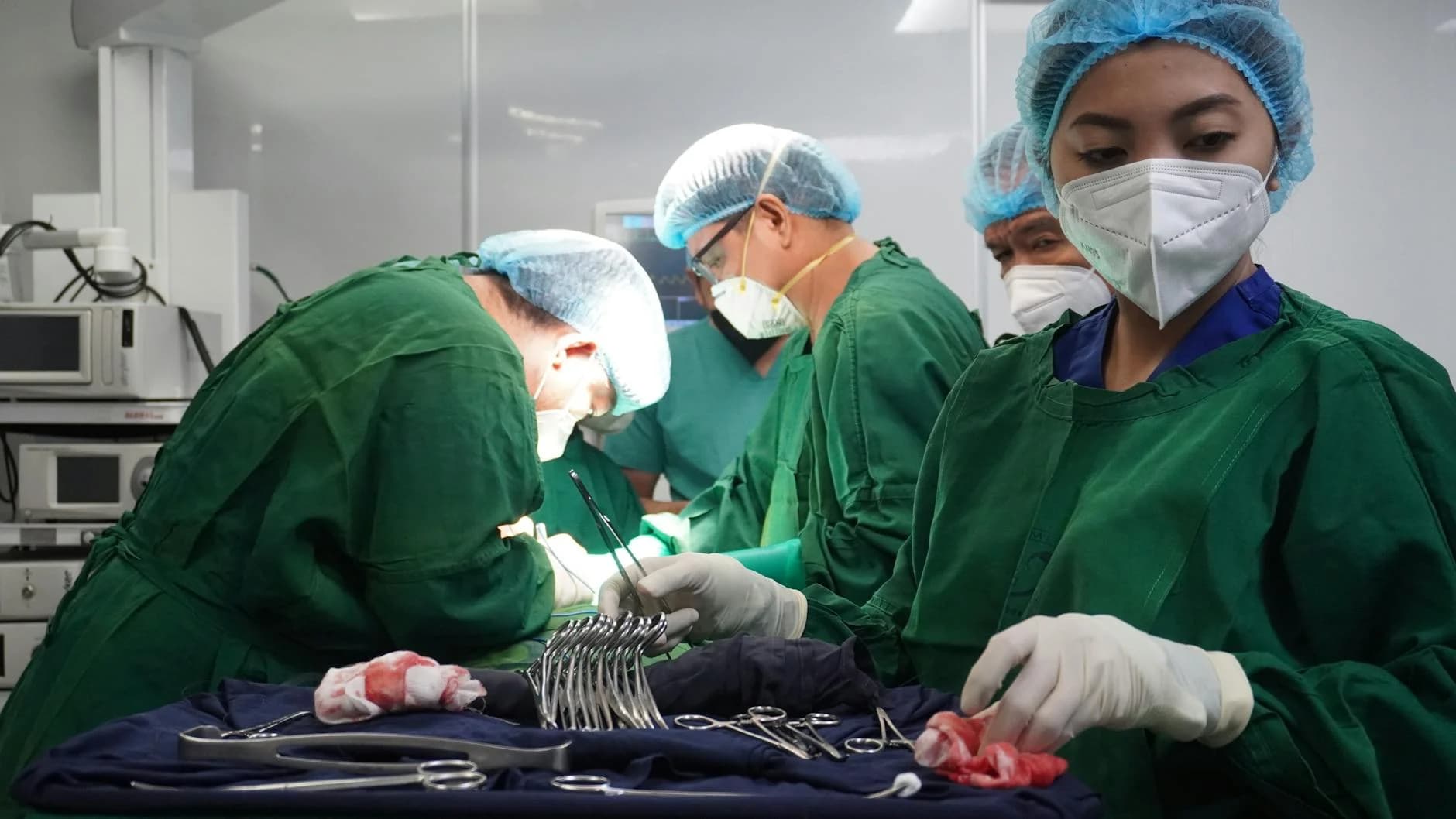
Medical imaging in New Zealand is regulated by the Medical Radiation Technologists Board, which assesses internationally qualified practitioners individually and registers them into defined scopes of practice. A Pakistan-trained radiographer's plan starts with an honest reading of their own file: which modality depth you can evidence, whether your qualification's clinical content can be proven, and which scope your history genuinely supports. Diagnostic radiography, specialised imaging like CT and MRI, and radiation therapy are different stories in this system, and your application succeeds or stalls on how clearly your documents tell yours.
The demand headline and the file that has to earn it
Imaging professionals hear encouraging things about New Zealand. Whatever the market is doing in any given year, the Board does not register demand. It registers evidence. A radiographer with ten years across X-ray, CT and MRI in a major Lahore hospital may hold exactly what New Zealand needs, and still stall for months if the file cannot prove it: no protocol responsibilities in writing, no modality hours documented, employment letters that say radiology staff and nothing more. The distance between your competence and your evidence is the gap this page wants you to close before you apply, not after.
How the Board reads an international file
The Medical Radiation Technologists Board assesses overseas-trained practitioners individually against New Zealand's competence standards: your qualification's content, its clinical education, your practice history and your professional standing. Registration lands in a defined scope of practice, and scope is legal reality, not vocabulary. It determines what you may do, which roles you can hold and how your position reads in skilled-migration terms. Pakistani applicants whose training combined diploma and degree stages should prepare the full academic trail, because the assessment reconstructs what you actually studied and practised, not what your latest certificate summarises.
Write your modality history like it matters, because it does
Two radiographers with identical years of experience can hold completely different files. One says ten years in radiology. The other says four years of general X-ray including mobile and theatre work, then three years of CT with contrast protocols and independent scanning, then three years of MRI including safety screening responsibility, each backed by a letter that names the department, the equipment and the level of independence. The second file is not more experienced. It is more legible, and legibility is what assessment systems reward. Sit down with your own history and write it modality by modality before anyone official asks you to.
The records to gather while you still can
Hospital record-keeping in Pakistan varies, staff who can sign letters move on, and departments reorganise. The practical discipline is to gather evidence while your professional relationships are current: qualification documents with transcripts, clinical placement records from your training, modality-specific employment letters, radiation safety or licensing records where they exist, and standing evidence from any regulator or professional body you have held. Every one of these is easier to obtain this year than in three years from a different country and a different time zone.
Where this profession sits in the migration picture
Medical imaging technologist, the occupation that covers diagnostic radiographers and sonographers, is currently a Green List Tier 1 occupation in New Zealand, the Straight to Residence pathway. It is a real signal for this profession, and it is worth being precise: this is a different occupation from a medical radiation therapist, so check that your specific role and scope match before relying on it. The Green List's own condition is New Zealand registration, so run your occupation through the Green List Checker and your profile through the Skilled Migrant Category comparison to see the landscape, then anchor decisions to your registration progress. And a note of care for households: because imaging roles may be found in different New Zealand settings, keep location flexibility inside the job-search conversation rather than assuming Auckland is the only realistic plan. That is a family conversation worth having early, with real information.
What not to assume
- Do not assume years of experience speak for themselves. Undocumented modality depth reads as no modality depth.
- Do not assume your scope in New Zealand will match your job title in Pakistan. Scope follows assessed evidence.
- Do not assume records will be retrievable later. Gather them while colleagues and departments still know you.
- Do not assume Auckland is the only realistic plan. Keep location flexibility inside the job-search conversation from the start.
- Do not assume radiation therapy and diagnostic radiography are the same Green List or scope story. Check your modality fit carefully.
What RTNZ would check before Board assessment spending
- Whether your full academic trail covers diploma and degree stages where both exist.
- Whether modality letters name equipment, protocols and independence level for X-ray, CT, MRI or ultrasound as relevant.
- Whether radiation safety or licensing records support your competence story.
- Whether your scope target matches diagnostic imaging evidence, not radiation therapy assumptions.
- Whether household location planning stays flexible enough for realistic job-search geography.
Current pathway snapshot for a Pakistan-trained imaging professional
| Planning point | What it means | Why it matters |
|---|---|---|
| Registration authority | Medical Radiation Technologists Board of New Zealand | Registration lands in a defined scope of practice based on assessed evidence |
| Assessment focus | Qualification clinical content, modality depth, practice history and professional standing | The Board reconstructs what you studied and practised, not your latest job title |
| Modality story | X-ray, CT, MRI, ultrasound and radiation therapy are different evidence stories | Undocumented modality depth reads as no modality depth |
| Green List position | Medical imaging technologist is currently Tier 1, Straight to Residence | Confirm your role and scope match before relying on the occupation listing |
| Budget and timing signal | Fee types to plan: Medical Radiation Technologists Board assessment fees, English evidence where required, police clearance, visa and relocation | Gather modality letters while departments still know you to avoid costly delays |
| Pakistan file risk | Employment letters that say radiology staff without equipment or protocol detail stall assessment | Legibility is what turns competence into a registrable file |
Evidence checklist for a Pakistan-trained imaging professional
| Evidence area | What to prepare | Why it matters |
|---|---|---|
| Qualification | Degrees and diplomas with transcripts covering the full academic trail | The assessment reconstructs your actual education, stage by stage |
| Modality evidence | Letters naming equipment, protocols and independence per modality | Modality depth is the core of an imaging file |
| Clinical training | Placement records from your qualifying programme | Clinical education content is weighed alongside the degree |
| Safety and standing | Radiation safety records and regulator standing where held | Supports both competence and fitness assessment |
| Household plan | A family conversation about location flexibility, had early | Keeping locations open widens the job-search conversation |


Related reading
Related pathways
Continue reading across healthcare, skilled migration, and assessment routes.
- Healthcare sectorBroad healthcare registration and pathway context.
- Professionals hubReturn to the main profession-led planning hub.
- Green ListRead the canonical Green List route context.
- Skilled Migrant CategoryCompare residence planning through SMC points.
- Evidence checklistPrepare documents before pressure builds.
- Check eligibilityStart a structured pathway review.
Need a clearer next step?
Use the contact page if you want a direct question handled before booking or assessment. Contact RTNZ