Pakistan professionals
Heavy diesel technicians in New Zealand: prove the machinery, not just the mechanic title
A Pakistan-trained heavy diesel technician's New Zealand pathway, focused on heavy vehicle and plant evidence, employer fit, Transport Tracker, Green List checks and SMC comparison.
- Premium advisory positioning
- Structured documentation readiness
- Clear next-step guidance
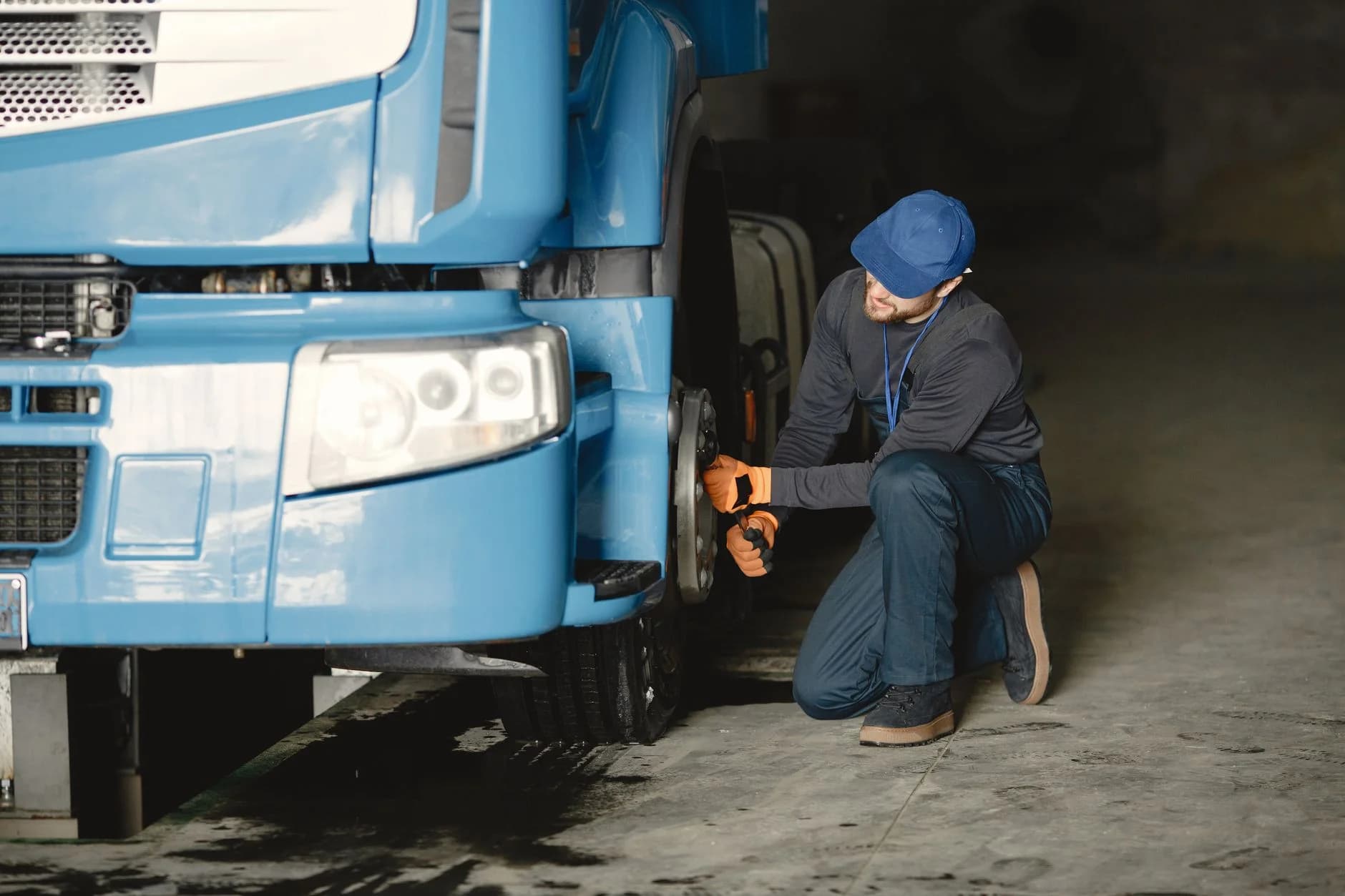
Pakistan-trained heavy diesel technicians need to prove the machinery and systems they can handle. Heavy trucks, buses, agricultural machinery, construction plant, mining equipment and fleet maintenance are different employer conversations. Heavy diesel technicians are not a statutory registration pathway like electricians or plumbers, so the file depends on technical evidence, safety and transport readiness, accredited-employer fit, Green List checks and SMC comparison.
Heavy diesel is defined by the machinery you actually handled
A heavy diesel title must be backed by the equipment history. New Zealand employers will want to know whether the applicant worked on trucks, buses, earthmoving plant, agricultural machinery, generators, hydraulics, pneumatic systems, fleet maintenance or field service. A broad mechanic label makes the role harder to place. A machinery-led file makes the employer conversation practical.
Do not blur heavy diesel with light automotive work
Some applicants have a mix of light vehicle and heavy diesel experience. That is not a problem if it is explained honestly. It becomes a problem when the file uses one title but the evidence points elsewhere. Separate engine systems, hydraulic work, electrical diagnosis, drivetrain, preventive maintenance and field repair so the role match is clear.
Evidence must show responsibility under real operating conditions
Heavy diesel work often happens in workshops, depots, yards, construction sites or remote locations. The strongest evidence names the equipment, fault, repair or maintenance task, tools, diagnostic approach, safety controls, downtime pressure and supervisor or fleet responsibility. That depth tells a New Zealand employer that the applicant understands operational consequence, not only mechanical theory.
Transport readiness matters because the work is safety-critical
The Transport Tracker belongs on this route because heavy diesel roles sit close to vehicle safety, fleet reliability, roadworthiness and operational continuity. It helps the applicant review licensing, employer, safety and continuity themes before treating the case as only an occupation check. For a Pakistan-trained technician, that practical bridge can be the difference between a technical CV and an employer-ready profile.
Immigration checks follow the exact heavy-diesel fit
Use the Green List Checker once the heavy diesel function is clear, then compare SMC if residence planning needs another route. The job offer, employer accreditation, skill evidence and any role-specific requirements have to agree. The cleanest plan is machinery first, employer fit second, immigration route third and family timing after that.
Heavy diesel assumptions to avoid
- Do not use mechanic as a shortcut if the evidence is really light vehicle, heavy vehicle or mixed.
- Do not call heavy diesel technicians registered professionals like electricians or plumbers.
- Do not hide plant, fleet, truck, bus or agricultural machinery experience inside one broad title.
- Do not ignore safety, downtime and field-service responsibility.
- Do not use a Green List result before the exact machinery and job-offer match are clear.
What RTNZ would check before a heavy diesel technician commits
- Which machinery, systems and operating environments the applicant can prove.
- Whether the role is truck, bus, plant, agricultural, fleet, workshop or field-service focused.
- Whether repair evidence shows diagnostics, hydraulics, drivetrain, electrical and preventive maintenance scope where relevant.
- Whether Transport Tracker readiness themes have been reviewed before employer targeting.
- Whether Green List and SMC planning matches the exact heavy diesel role.
Planning snapshot for a Pakistan-trained heavy diesel technician
| Planning point | What it means | Why it matters |
|---|---|---|
| Machinery clarity | Truck, bus, plant, agriculture, fleet or field-service scope identified | Employers hire against equipment reality |
| Registration posture | No broad statutory registration claim is made for heavy diesel technicians | Avoids false licensing language |
| Technical evidence | Diagnostics, hydraulics, engine, drivetrain, electrical and maintenance duties documented | Shows competence under real operating conditions |
| Transport readiness | Safety, continuity, licensing awareness and employer reliability reviewed | Heavy diesel work is close to road and fleet risk |
| Immigration check | Green List, SMC and Transport Tracker used after role clarity | The route depends on exact job and evidence alignment |
Evidence checklist for Pakistan-trained heavy diesel technicians
| Evidence area | What to prepare | Why it matters |
|---|---|---|
| Machinery record | Equipment types, fleet size, brands or system types where available | Shows the actual heavy diesel environment |
| Repair evidence | Fault diagnosis, maintenance records, work orders or supervisor letters | Proves technical responsibility |
| Qualification evidence | Trade certificate, diploma or training record with provider details | Supports the skills foundation |
| Safety and field context | Site safety, roadworthiness, field repair and downtime responsibility where applicable | New Zealand employers value reliability and safety discipline |
| Immigration package | Job offer, work evidence, occupation check and SMC comparison where relevant | Keeps the pathway tied to the exact role |
 Occupation Check
Green List Checker
Whether your occupation title appears connected to Green List occupation, tier, or pathway-reading logic.
Open tool Skilled Migration
SMC 6-Point Calculator
Whether your skilled profile appears to meet SMC points themes before deeper review.
Open tool Sector Tracker
Transport Tracker
Licensing, safety, employer, and continuity prompts for transport-sector roles.
Open tool
Related reading
Related pathways
Continue reading across healthcare, skilled migration, and assessment routes.
- Construction and trades sectorBroad construction, licensing touchpoints and trade evidence context.
- Professionals hubReturn to the main profession-led planning hub.
- Green ListRead the canonical Green List route context.
- Skilled Migrant CategoryCompare residence planning through SMC points.
- Evidence checklistPrepare documents before pressure builds.
- Check eligibilityStart a structured pathway review.
- Automotive techniciansCompare light-vehicle diagnostics if your evidence mixes automotive and heavy diesel work.
Need a clearer next step?
Use the contact page if you want a direct question handled before booking or assessment. Contact RTNZ