Pakistan professionals
Food technologists in New Zealand: the product, process and compliance evidence must be clear
Pakistan-trained food technologists planning New Zealand: product and process evidence, MPI food-safety context, NZQA qualification checks, employer role mapping, Green List and SMC orientation.
- Premium advisory positioning
- Structured documentation readiness
- Clear next-step guidance
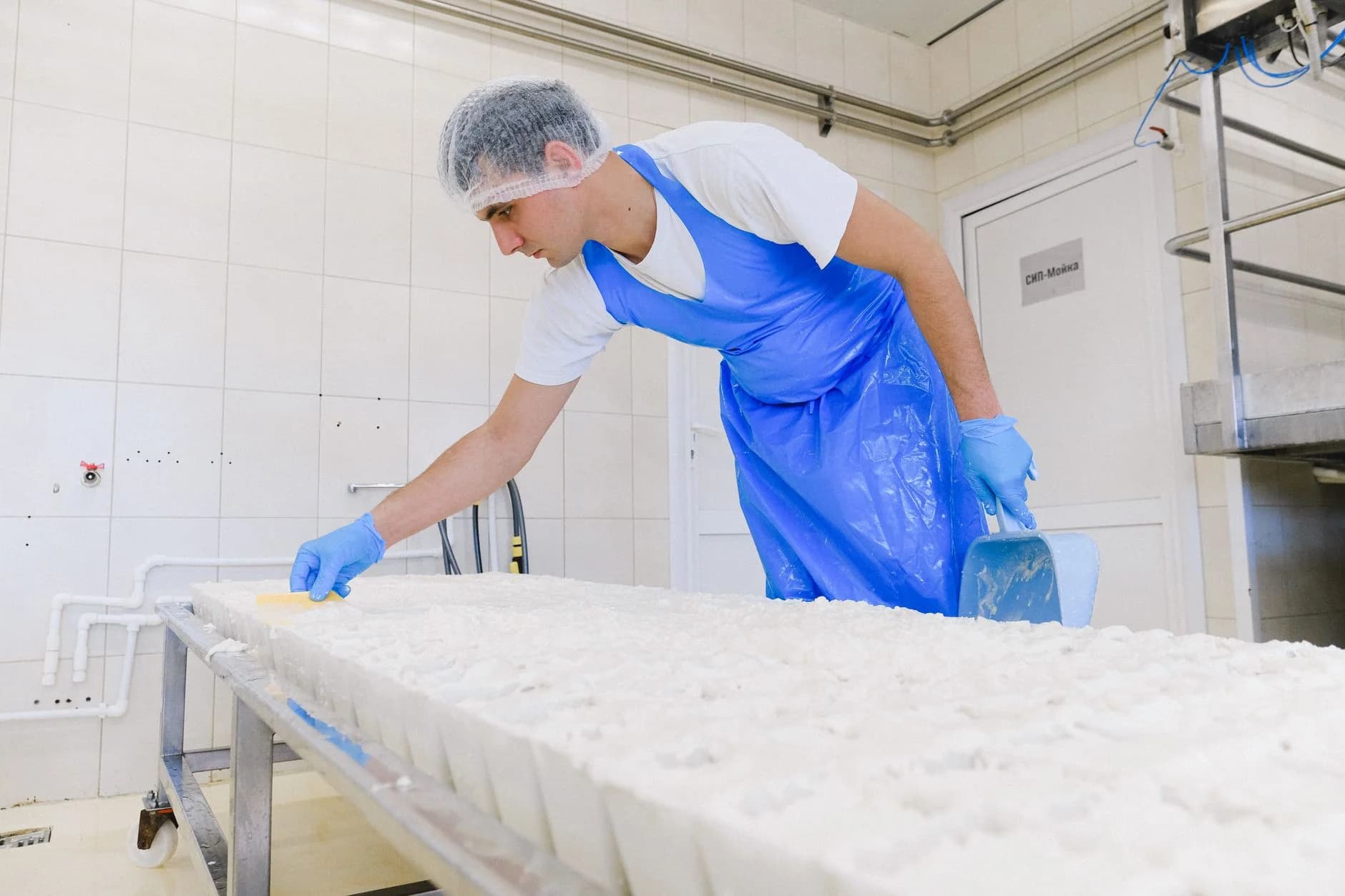
Pakistan-trained food technologists should not plan New Zealand around a broad food industry title. The stronger starting point is the actual work: product development, quality assurance, food safety, HACCP, dairy, meat, bakery, beverages, export documentation, lab testing or production compliance, then match that evidence to the right employer and immigration pathway.
Food technology is not one New Zealand role
Food technologist, QA officer, food safety coordinator, product development technologist, regulatory affairs assistant, laboratory analyst and production supervisor can overlap in Pakistan but lead to different New Zealand planning. New Zealand's food sector is compliance-heavy, export-aware and evidence-driven. A strong profile needs to show not only the industry, but the product category, process environment, food safety system, testing exposure and the candidate's level of technical judgement.
MPI and food-safety context shape employer credibility
Food technologists may not need one personal statutory registration in every role, but the work often sits inside regulated food business environments. MPI food safety rules, food control plans, risk management programmes, labelling, recalls, export requirements and monitoring systems can shape what employers expect. RTNZ would not present MPI context as personal licensing. It is an industry-compliance environment that makes evidence quality important.
Pakistan food industry evidence needs product and process detail
A vague service letter from a dairy, confectionery, poultry, beverage or spice employer will not show enough. A stronger file identifies product lines, process stages, HACCP or quality-system exposure, testing responsibilities, audits, non-conformance handling, supplier checks, lab coordination, shelf-life work, formulation support and who signed off decisions. Pakistan-trained candidates often have strong practical exposure, but it must be translated into New Zealand food-safety language.
Export, dairy and meat sectors raise different evidence questions
New Zealand food employers in dairy, meat, seafood, horticulture, bakery and beverages each read evidence differently. Export-facing roles may need traceability, labelling, cold-chain and documentation proof. Production-heavy roles may need line responsibility, batch records and corrective-action history. Laboratory-facing roles may need method and testing evidence. RTNZ would not use one generic food technologist CV for all of these targets.
Qualification recognition and job level must be read together
A food science, food technology, biotechnology, chemistry or nutrition-related qualification may support the profile differently depending on the target role. NZQA assessment can matter where New Zealand equivalence is required, but the role evidence must still show whether the candidate is a technologist, QA specialist, compliance coordinator, laboratory analyst or production role. This distinction affects SMC planning and employer targeting.
Green List and employer targeting follow the evidence map
Food technology profiles should not rely on broad demand language. RTNZ would define the role family, check whether the exact title appears in current Green List settings, compare SMC if needed, then use job intelligence only for employer targeting that fits the evidence. The right employer shortlist for dairy QA is different from product development, seafood processing, bakery compliance or food testing.
HACCP and product evidence gaps advisers often see
- Do not assume every food technologist needs personal statutory registration.
- Do not confuse MPI food-business regulation with an individual registration licence.
- Do not use a broad food industry title when the role is really QA, regulatory, lab, product development or production compliance.
- Do not assume HACCP exposure is strong unless documents show actual responsibility.
- Do not assume NZQA recognition replaces product, process and audit evidence.
- Do not begin employer outreach before the role family is defined.
What RTNZ would check before you commit
- Which food role family best fits the candidate: QA, food safety, product development, laboratory testing, regulatory, export, production or process improvement.
- Whether MPI food-safety context affects the target employer and evidence set.
- Whether the qualification needs NZQA assessment or discipline explanation.
- Whether service letters show products, systems, audits, testing, formulations and decision responsibility.
- Whether Green List or SMC reading supports the exact target role.
- Which food sector employers match the candidate's actual product and process history.
Planning snapshot for a Pakistan-trained food technologist
| Planning point | What it means | Why it matters |
|---|---|---|
| Role family | Food technology roles split across QA, product, regulatory, lab and production environments | The title alone does not prove skill level |
| Regulatory context | MPI food business rules shape employer expectations but are not automatically personal registration | This avoids overstating licensing |
| Product evidence | Product category, process stage, HACCP and audit exposure must be specific | Generic letters are weak |
| Qualification recognition | NZQA may be needed where New Zealand equivalence supports the pathway | Degree title and job level must align |
| Immigration route | Green List and SMC checks depend on the exact role | Broad demand claims are unsafe |
| Employer targeting | Dairy, meat, bakery, beverages, seafood and testing labs need different proof | Targeting improves after evidence mapping |
Evidence checklist for Pakistan-trained food technologists
| Evidence area | What to prepare | Why it matters |
|---|---|---|
| Product and process | Product lines, process flow, formulation, testing and production environment | Shows what the candidate actually understands |
| Food safety systems | HACCP, GMP, audits, recalls, non-conformance and corrective action records where available | Proves compliance exposure |
| Qualification file | Degrees, transcripts, lab or project work and NZQA support where required | Supports discipline and level |
| Employer letters | Duties, hours, seniority, reporting line and technical responsibility | Makes Pakistan experience readable |
| Role match | Target job descriptions and occupation title analysis | Prevents wrong employer and visa strategy |
| Immigration file | Offer terms, pay/hours, employer accreditation if relevant, English, police and identity records | Connects pathway planning to evidence |
 Occupation Check
Green List Checker
Whether your occupation title appears connected to Green List occupation, tier, or pathway-reading logic.
Open tool Skilled Migration
SMC 6-Point Calculator
Whether your skilled profile appears to meet SMC points themes before deeper review.
Open tool Employer Targeting
NZ Green List Job Intelligence
Employer-targeting context for Green List candidates after the occupation/pathway question is clear.
Open tool
Related reading
Related pathways
Continue reading across healthcare, skilled migration, and assessment routes.
- Science & technical sectorBroad science, laboratory and research pathway context.
- Professionals hubReturn to the main profession-led planning hub.
- Green ListRead the canonical Green List route context.
- Skilled Migrant CategoryCompare residence planning through SMC points.
- Evidence checklistPrepare documents before pressure builds.
- Check eligibilityStart a structured pathway review.
- Laboratory professionalsCompare laboratory testing and method evidence alongside food QA planning.
- Environmental scientistsCompare environmental compliance and field evidence planning.
Need a clearer next step?
Use the contact page if you want a direct question handled before booking or assessment. Contact RTNZ