Parents and elder care
A serious New Zealand plan must respect the parents left behind
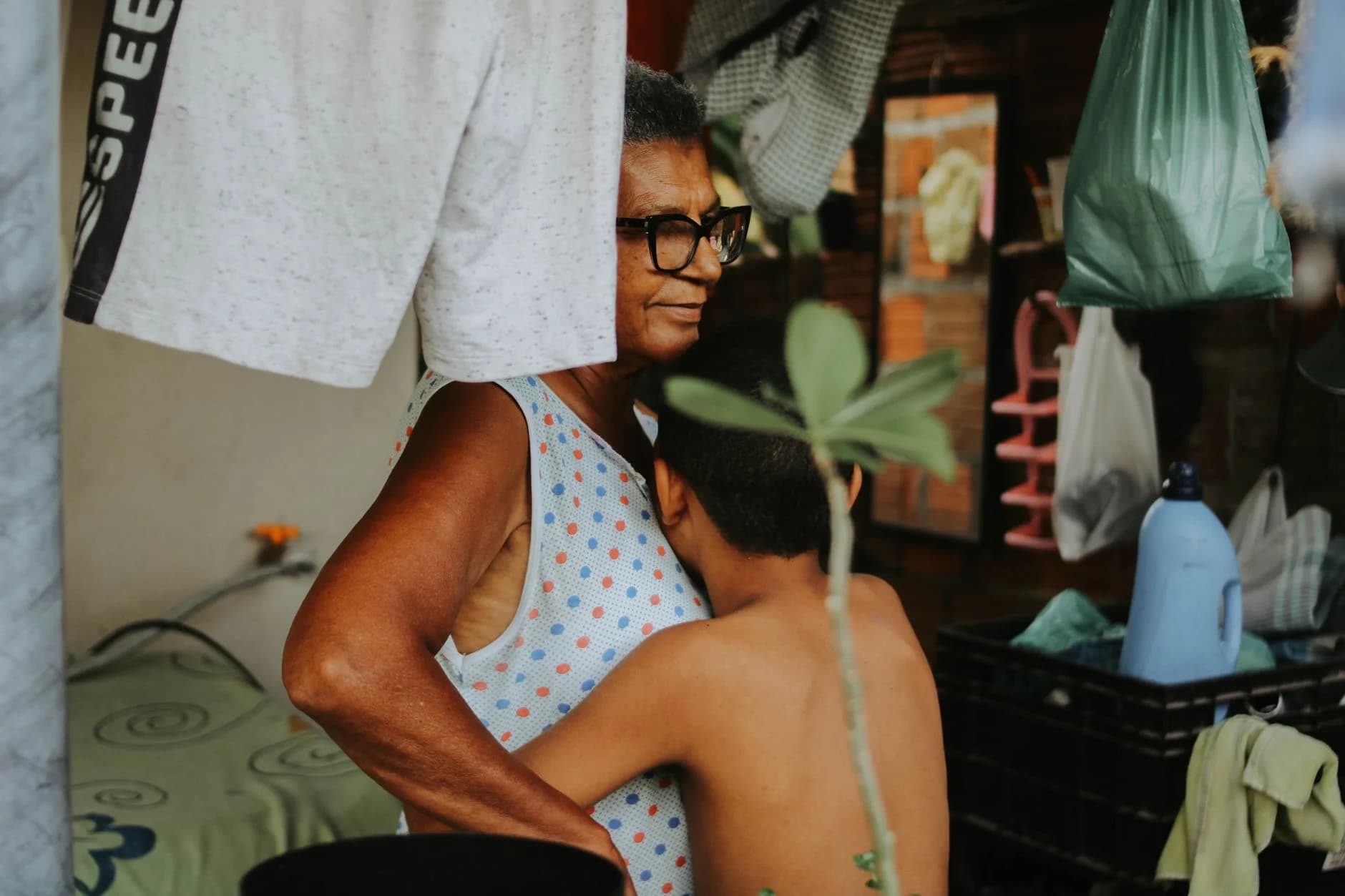
For many families, especially from Pakistan, parents are central to the decision. Elder care, visits, support, travel, property, and emotional responsibility should be planned honestly instead of treated as an afterthought.
- Career direction with pathway clarity
- Work-rights and outcome awareness
- Structured long-term planning
Why this belongs in Future Strategy
A person can have a strong New Zealand opportunity and still carry major responsibilities outside New Zealand. Elderly parents, medical needs, family property, financial support, and regular travel can affect timing and settlement.
Planning for parents does not weaken the New Zealand goal. It makes the goal more realistic.
What to consider
Care responsibilities
Who supports parents day to day? What happens if health changes? Who can travel? What documents and records should be kept?
Visit planning
Family visits should be treated as part of the long-term plan, not improvised at the last minute. Visitor pathways and evidence must be handled separately and carefully.
Financial support
Ongoing support to parents can affect budgeting, funds movement, remittances, savings, and long-term planning.
Emotional reality
Moving to New Zealand can bring opportunity and guilt at the same time. A realistic plan acknowledges both.
Family communication
A household should agree early on what support will continue, who will manage responsibilities, and how travel will be planned.
FAQ
A serious New Zealand plan must respect the parents left behind
No. Parent and visitor questions must be checked through the correct route and current official settings.
They should be considered honestly. They may affect travel, funds, timing, and family decisions.
No. It is a Future Strategy page that connects parent responsibilities to long-term planning. Route-specific details belong in the Family and Visitor silo.
Yes. It can help the family understand timing, records, and practical issues before a visitor pathway is considered.
A serious New Zealand plan must respect the parents left behind
RTNZ helps organise future-oriented thinking into structured present-day decisions, subject to profile, documentation, and route suitability.
Need a clearer next step?
Use the contact page if you want a direct question handled before booking or assessment. Contact RTNZ