Documents checklist
Build a document story that still makes sense years later
Documents created today may be read long after the first application. This checklist helps you organise identity, education, work, funds, family, travel, and consistency at a strategic level — without turning the page into a legal instruction list.
- Career direction with pathway clarity
- Work-rights and outcome awareness
- Structured long-term planning
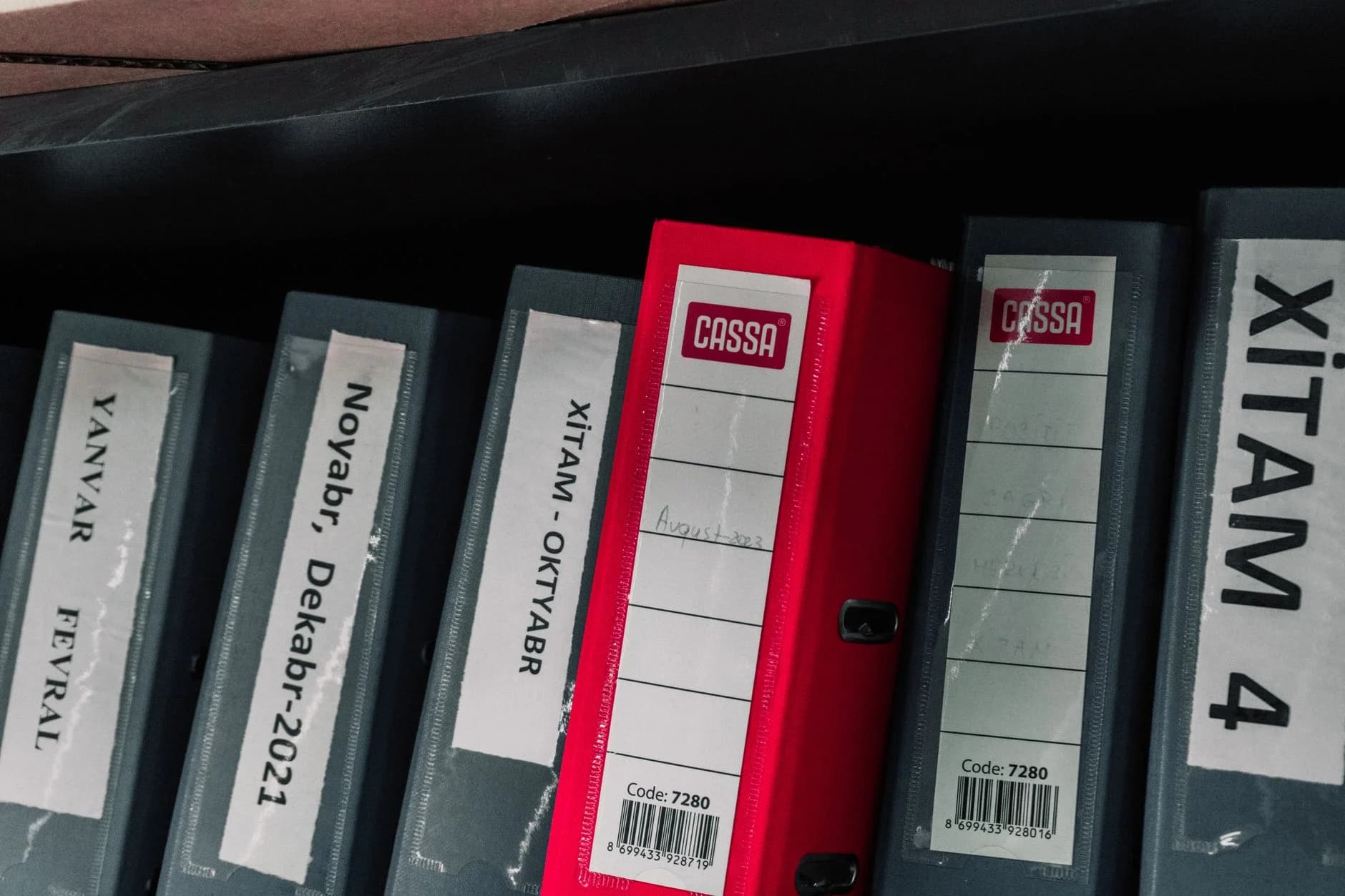
Documents created today may be read long after the first application. This checklist helps you organise identity, education, work, funds, family, travel, and consistency at a strategic level — without turning the page into a legal instruction list.
Who this page is for
Use this checklist if you:
- Are starting a multi-year New Zealand plan
- Suspect your records are spread across folders, phones, banks, and family members
- Need one consistent story across study, work, family, and funds
- Are planning from Pakistan or another market where name formats, translations, and family support records need extra care
- Want to reduce last-minute scrambling before a major step
Main checklist
1. Identity and naming consistency
Check that names, dates, spellings, and identity records match across passports, education, employment, and bank records.
2. Education records
Gather degree certificates, transcripts, completion letters, and translations where needed. Confirm that the qualification story matches what you plan to claim later.
3. Employment and role evidence
Organise contracts, role letters, payslips, tax records, and project evidence in a form that shows role, duration, and duties clearly.
4. Professional registration and licensing
If your plan depends on a regulated profession, note where registration, competence, or licensing evidence may be required later — and what is not yet ready.
5. Funds and financial trail
Organise bank statements, income records, business records, sponsorship letters, and explanations for large movements. The goal is clarity, not performance.
6. Family and relationship records
Organise marriage, birth, dependency, and household records where family members are part of the plan.
7. Travel and presence history
Keep a clear record of travel, visas, and lawful status history where relevant to the plan.
8. Tax and compliance records
Note where tax filings, business compliance, or cross-border income may need to be explained consistently — often with qualified tax advice.
9. Property and asset context
If property or major assets are part of the household story, keep ownership and transaction records organised without mixing property decisions into immigration advice.
10. Translations and certifications
Identify which records may need certified translation or verification before a future step — and what should be prepared early.
11. Version control and storage
Store documents securely, label them by date and purpose, and avoid sending conflicting versions to different advisers.
12. Consistency review
Read the full story once: do study, work, family, funds, and travel records support the same plan?
Common mistakes / weak points
- Keeping documents on WhatsApp or email only, with no organised master file.
- Using different name spellings across certificates and bank records.
- Explaining funds at the last minute instead of building a clear history.
- Mixing family support, business income, and personal savings without a clear narrative.
- Assuming a document from years ago will still be accepted without checking current requirements at application time.
- Treating this checklist as a substitute for route-specific evidence guidance or licensed advice.
How RTNZ uses this in a planning conversation
RTNZ uses this page when the route may be plausible but the evidence story is messy. It often follows Planning Checklist or Eligibility Review and leads to Audit, Documentation System, or Professional Handoff Checklist if tax, legal, or registration records are part of the weakness.
Related pages
Related Future Strategy and planning pages
FAQ
Build a document story that still makes sense years later
No. It is strategic, not route-specific. Exact requirements depend on the pathway and the rules at application time.
No. It helps you organise records. Legal interpretation and application strategy may require the right licensed professional.
Many Pakistani applicants need extra care with translations, family support records, business income, and cross-border funds. The checklist stays global, but those realities are common.
If the story is weak, use Audit and Documentation System. If the route is still unclear, use Pathway Finder or Roadmap.
Build a document story that still makes sense years later
If tax, legal, or registration records are involved, use the Professional Handoff Checklist next.